The Bag Keeps Going
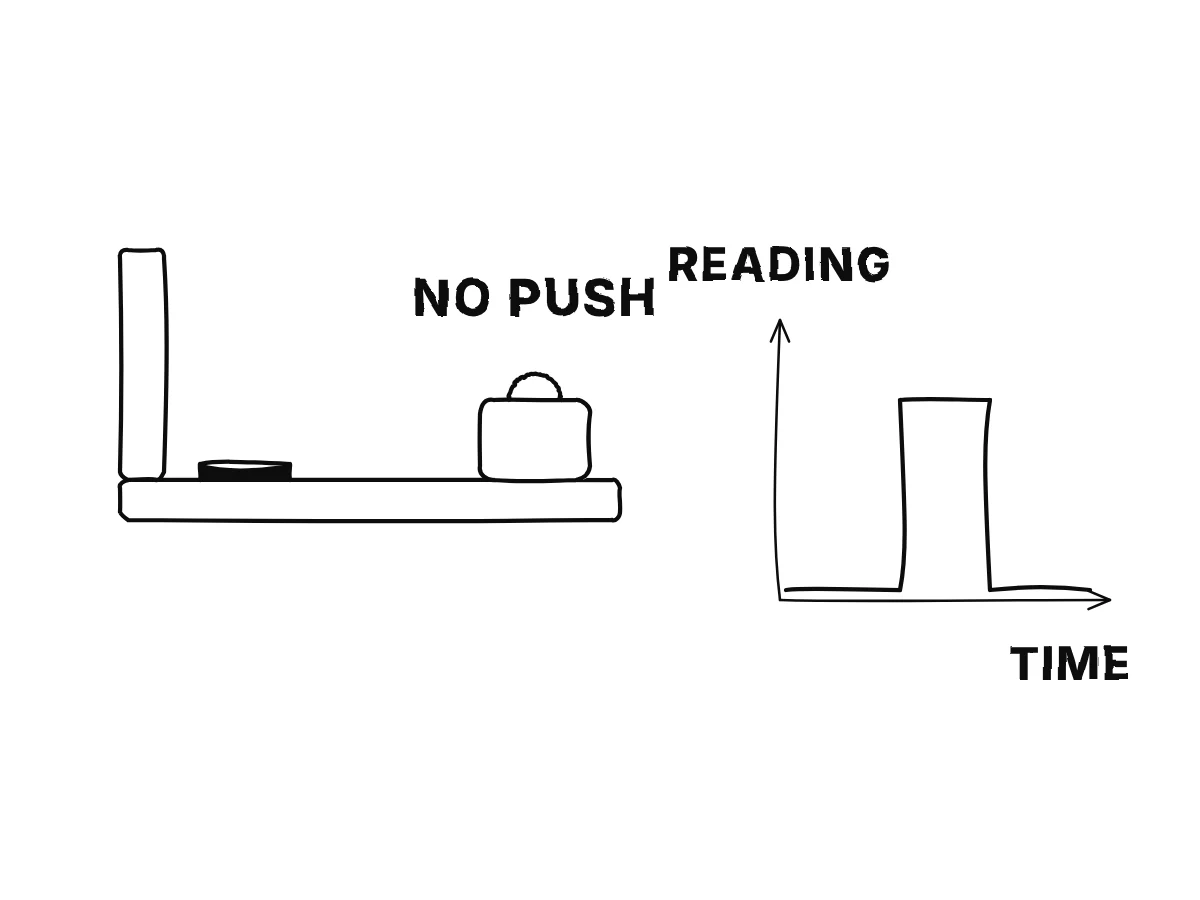
Put your phone flat on the passenger seat of a car and open any free sensor app that shows the accelerometer. While the car rolls steadily along a straight road, the reading in the direction of travel stays close to zero.
Philosophiæ Naturalis Principia Mathematica

The same text, told at every level, in every language and look shown here. Pick, then listen or download.
The same player the product gives for your own book: the voice, the drawings as they are drawn, the text.
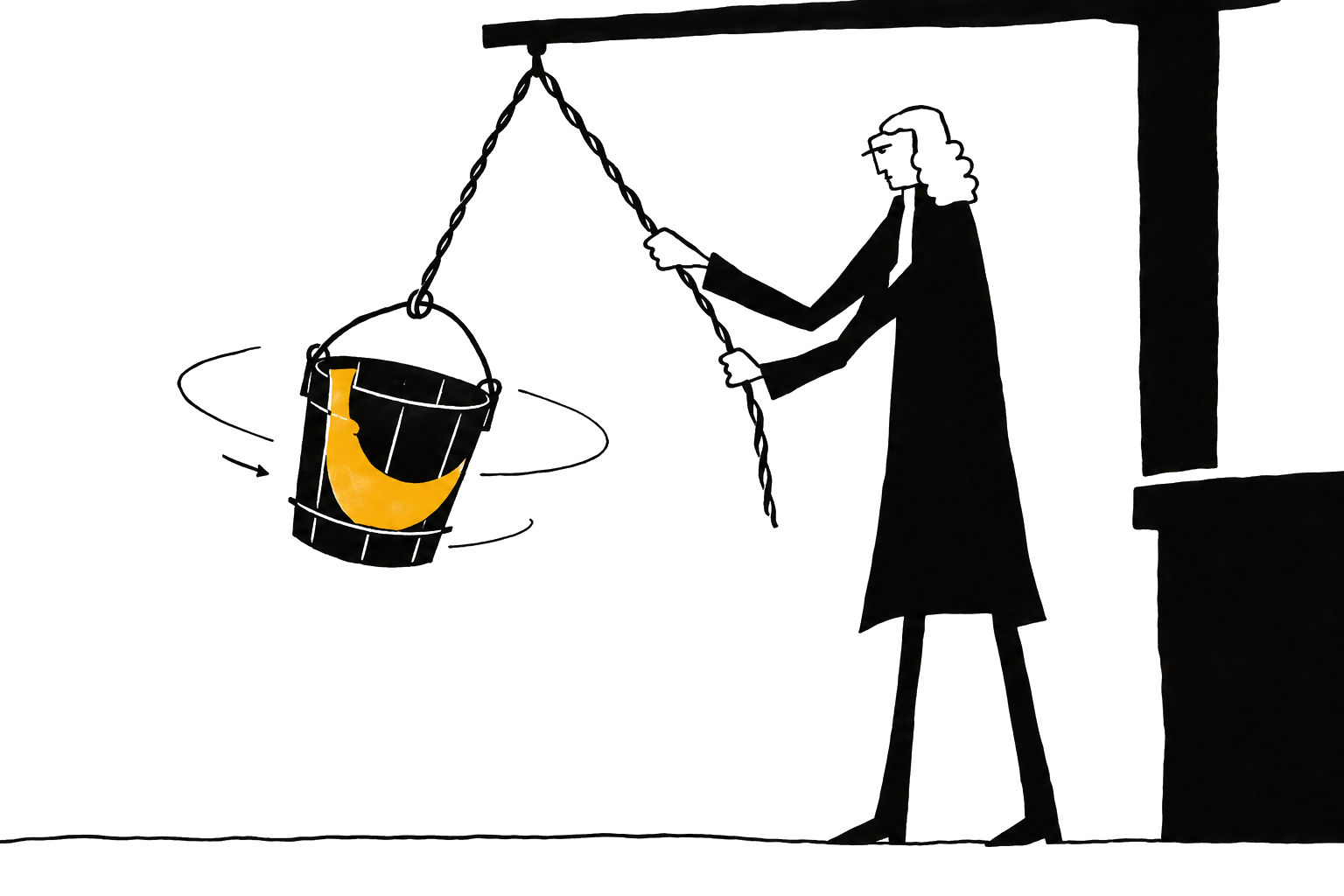
The book that founded physics. Its opening chapter defines mass, momentum and force, and asks what it means to move at all: absolute and relative time, space and motion, with the spinning bucket and the two globes on a cord.
This is a sample: 1 of 5 chapters.

Put your phone flat on the passenger seat of a car and open any free sensor app that shows the accelerometer. While the car rolls steadily along a straight road, the reading in the direction of travel stays close to zero.

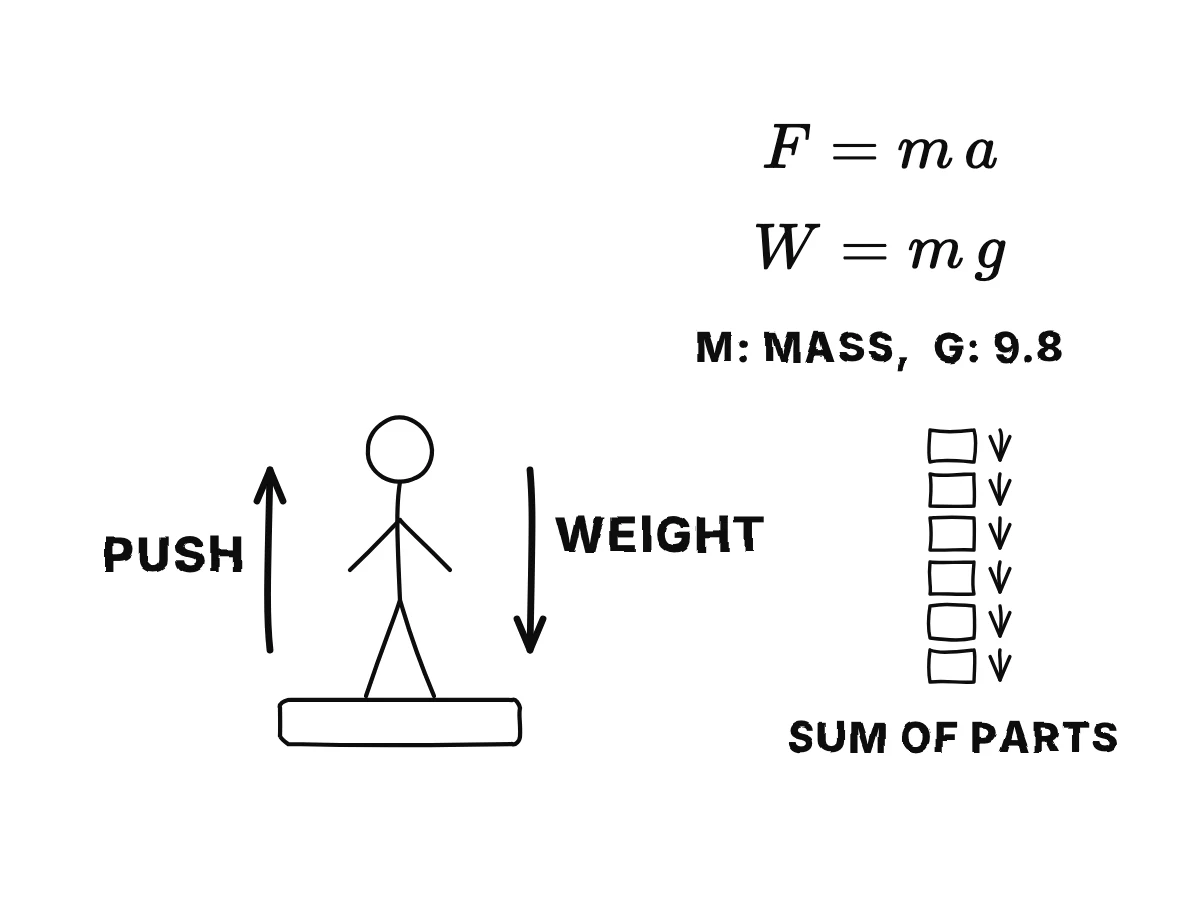
The third is the motive quantity: a measure proportional to the motion, the momentum, that the pull produces in a given time.

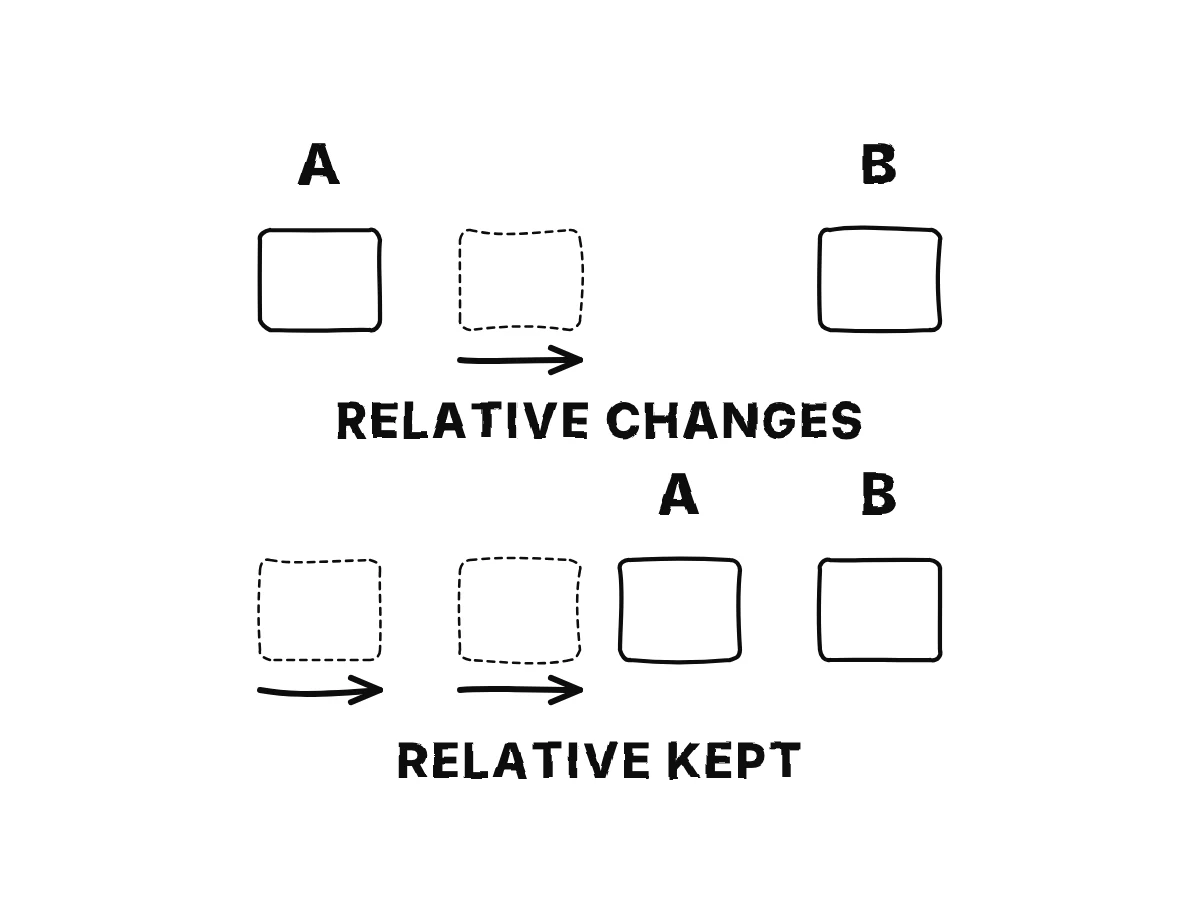
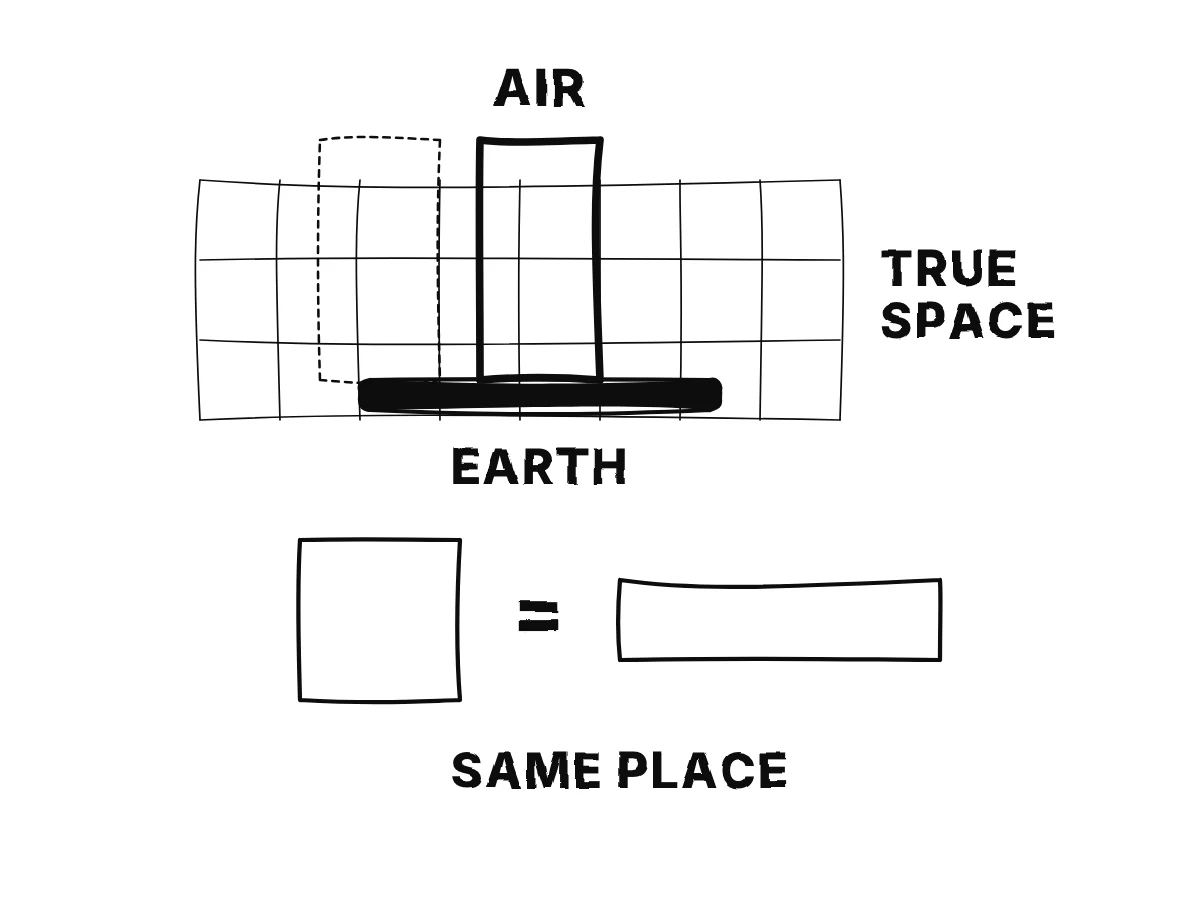
Then space. Absolute space, of its own nature, stays always the same and never moves. Relative space is a movable measure of it, fixed by the senses through its position among bodies, such as the space under the ground, the air, or the sky, measured from the earth.

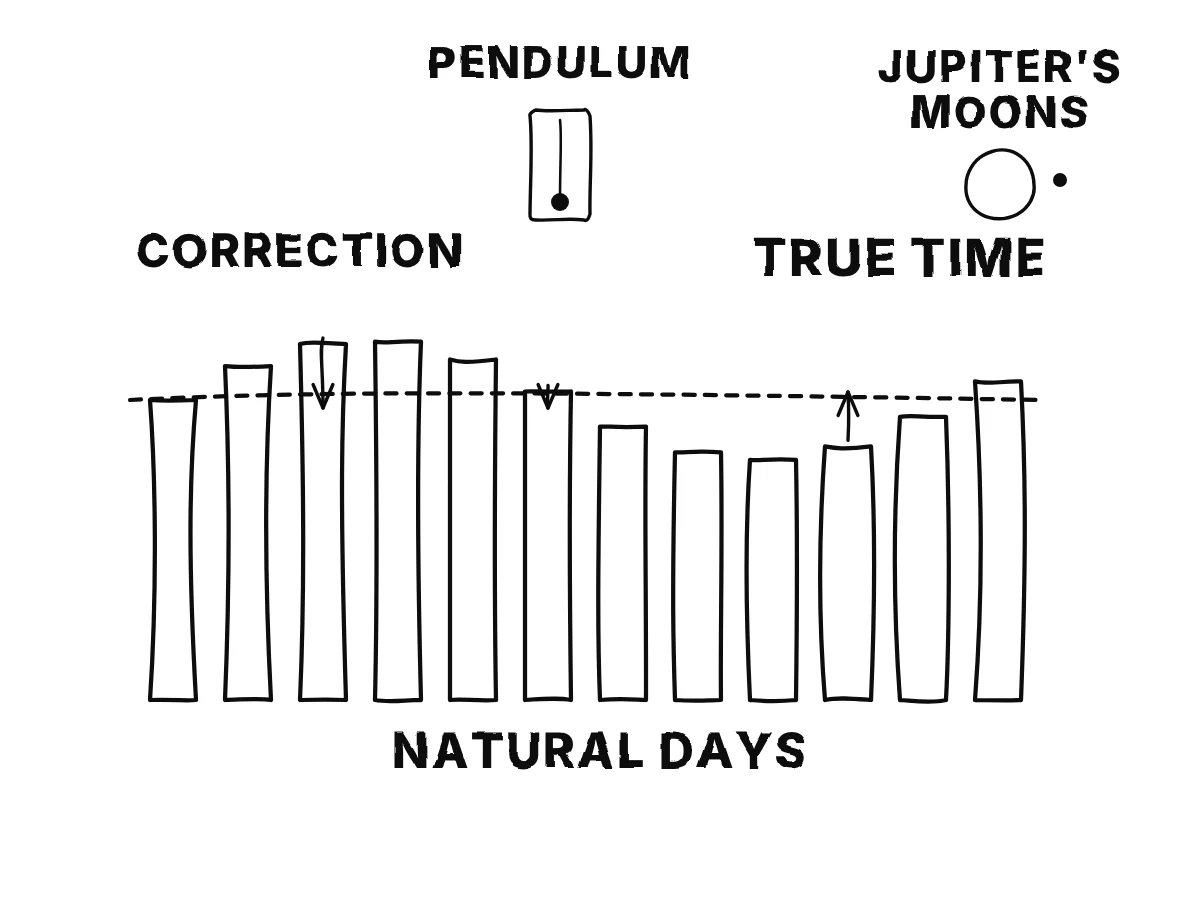
Back to time, where astronomy draws the line in practice. Absolute time is separated from relative time by the equation, or correction, of common time.

Then come the causes. What separates true from relative motion is force impressed on a body. True motion is never created or changed except by a force pressed on the body itself.

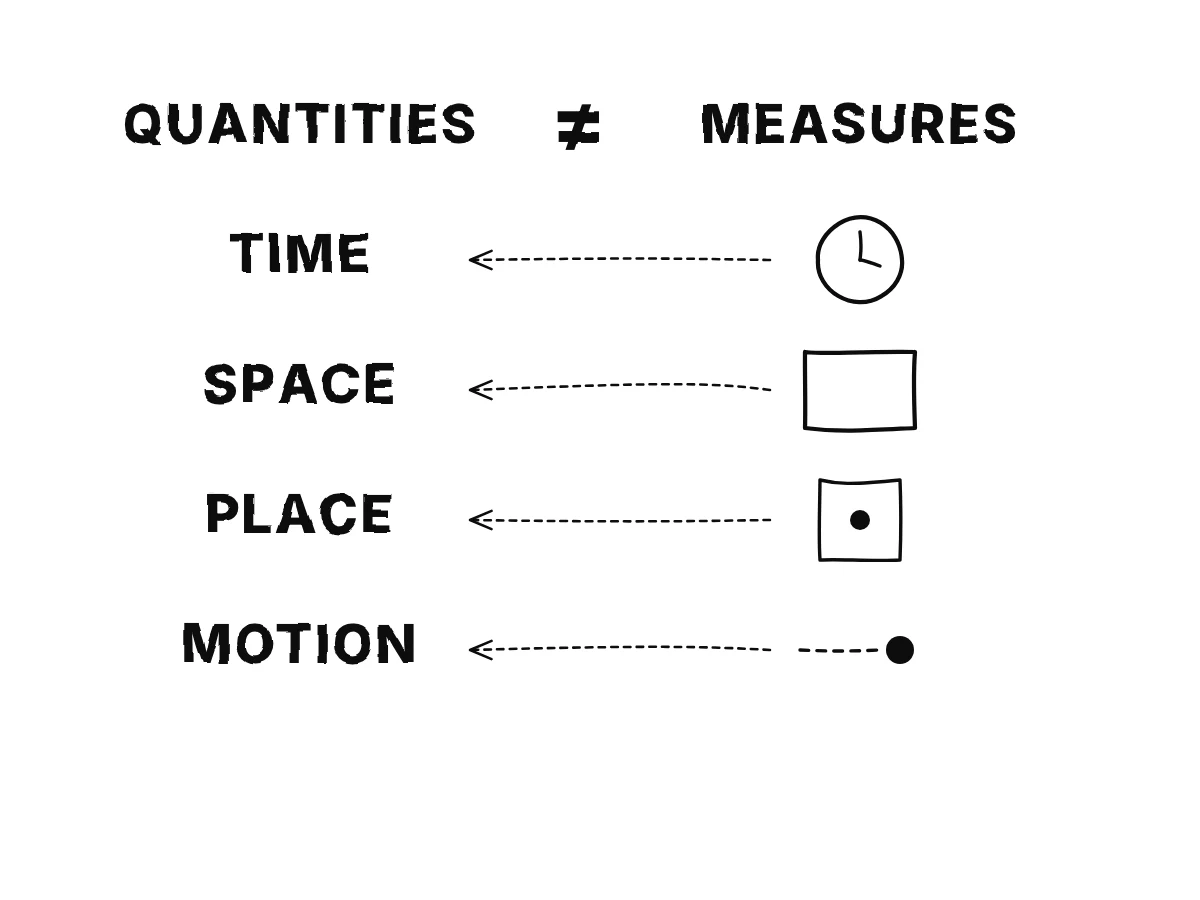
From all this Newton draws a lesson about words. Relative quantities are not the quantities whose names they carry, but the visible measures of them, accurate or not, which people commonly use instead.
Examples for: a curious adult with school physics who uses a smartphone every day; add one modern instance per idea, such as GPS satellites, a phone's accelerometer or a car braking
The lectures retell the English text of Project Gutenberg #76404, Andrew Motte's translation (first American edition, 1846). The author died in 1727; the work is in the public domain. The retelling, the drawings and the voice are made by AI and checked against the book by a second model; nothing was edited by hand. How AI is used.
The lectures are free to read, share and quote with a link to this page.
Upload a textbook or any difficult book. The first five minutes are free.
Upload a book