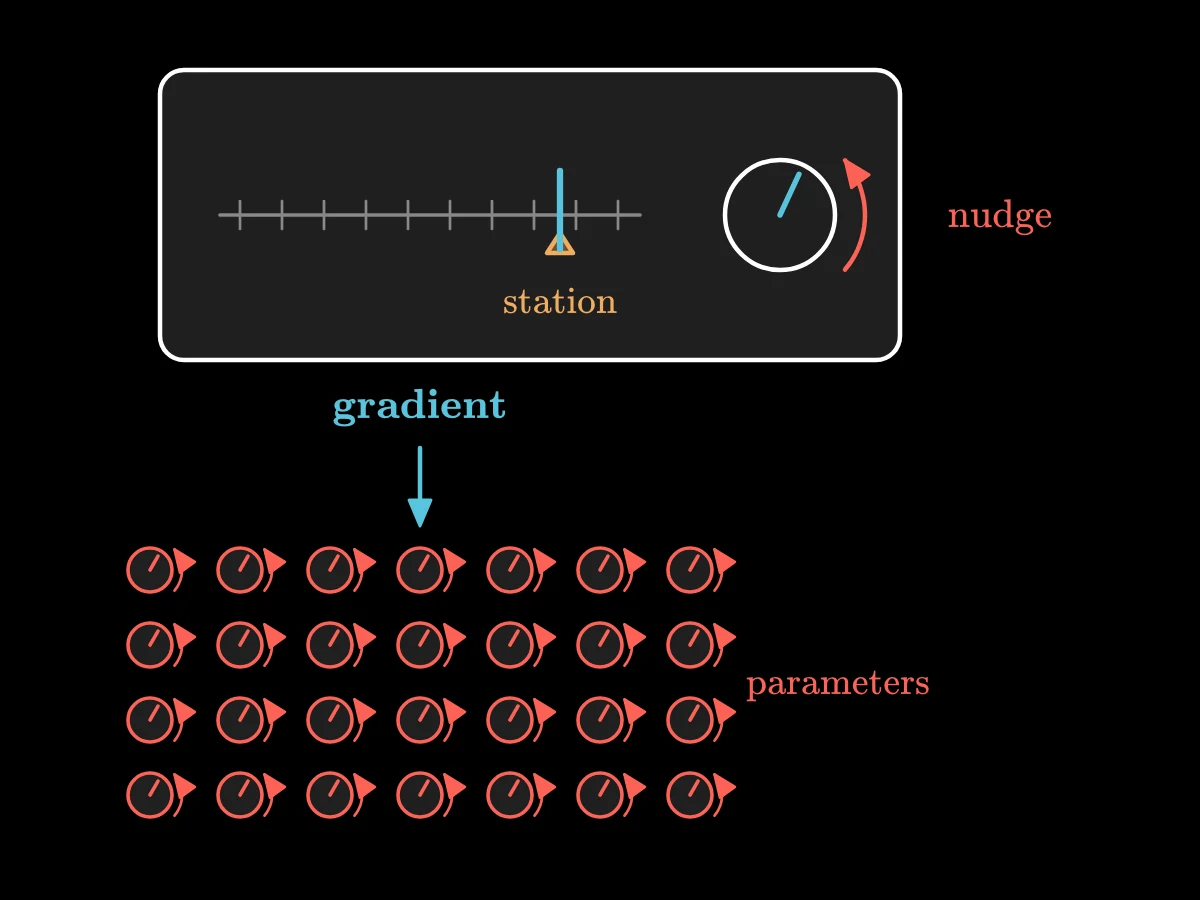
A Few Pieces, Endlessly Scaled
Nudge the Knob, Listen
Take a radio with a single tuning knob and an unfamiliar station you want to find. Turn the knob a little and listen: is the music clearer or noisier than a moment ago?
Alice's Adventures in a Differentiable Wonderland, Volume I: A Tour of the Land
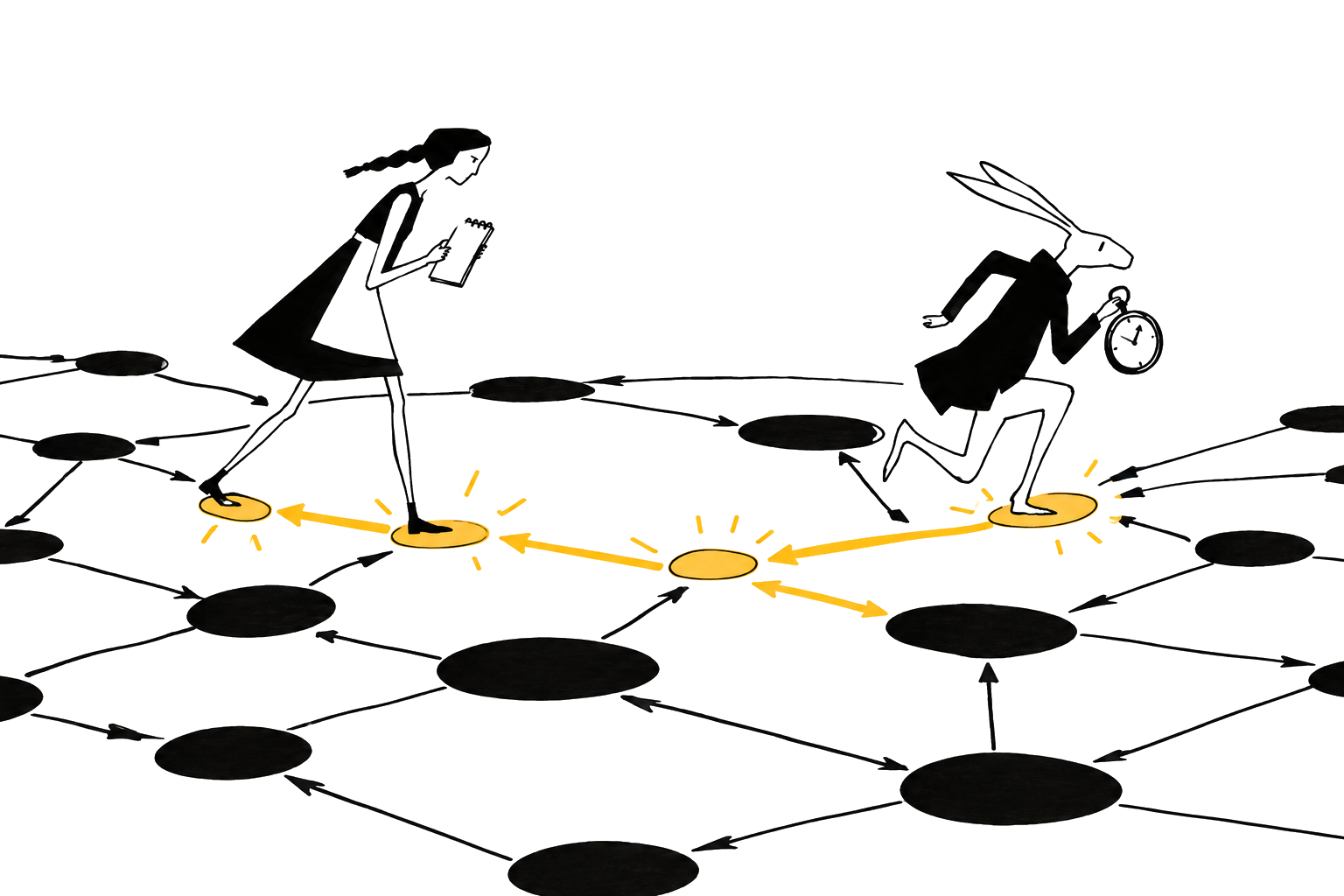
The same text, told at every level, in every language and look shown here. Pick, then listen or download.
The same player the product gives for your own book: the voice, the drawings as they are drawn, the text.
A modern textbook on how neural networks really work, from tensors and gradients to transformers. The first three chapters lay the ground: what the book is about, the linear algebra and calculus a network runs on, gradient descent, and what a dataset and a loss function are.
This is a sample: 3 of 13 chapters.
Take a radio with a single tuning knob and an unfamiliar station you want to find. Turn the knob a little and listen: is the music clearer or noisier than a moment ago?
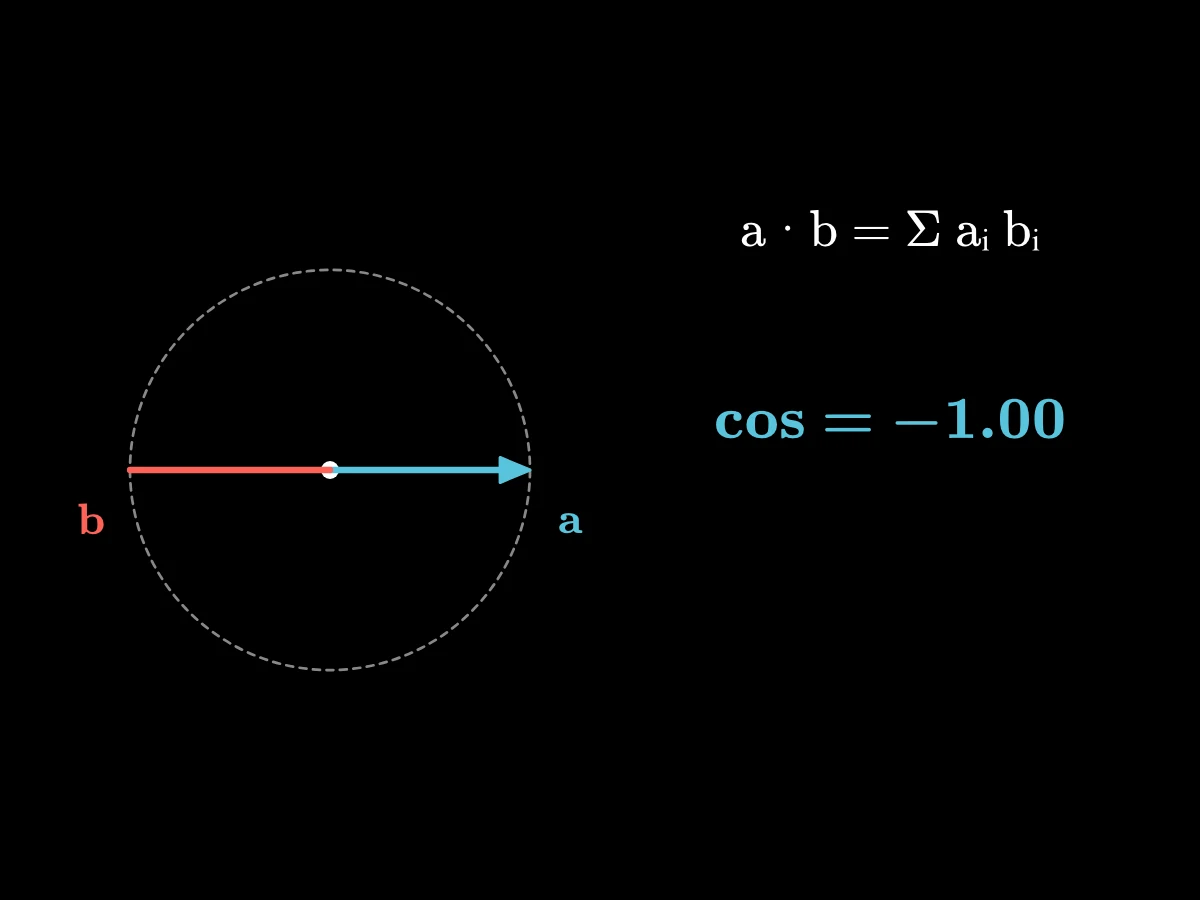
The most important vector operation in the whole book is the dot product, also called the inner product. You multiply the two vectors entry by entry and add up everything you got, so the result is a single number, not a vector.
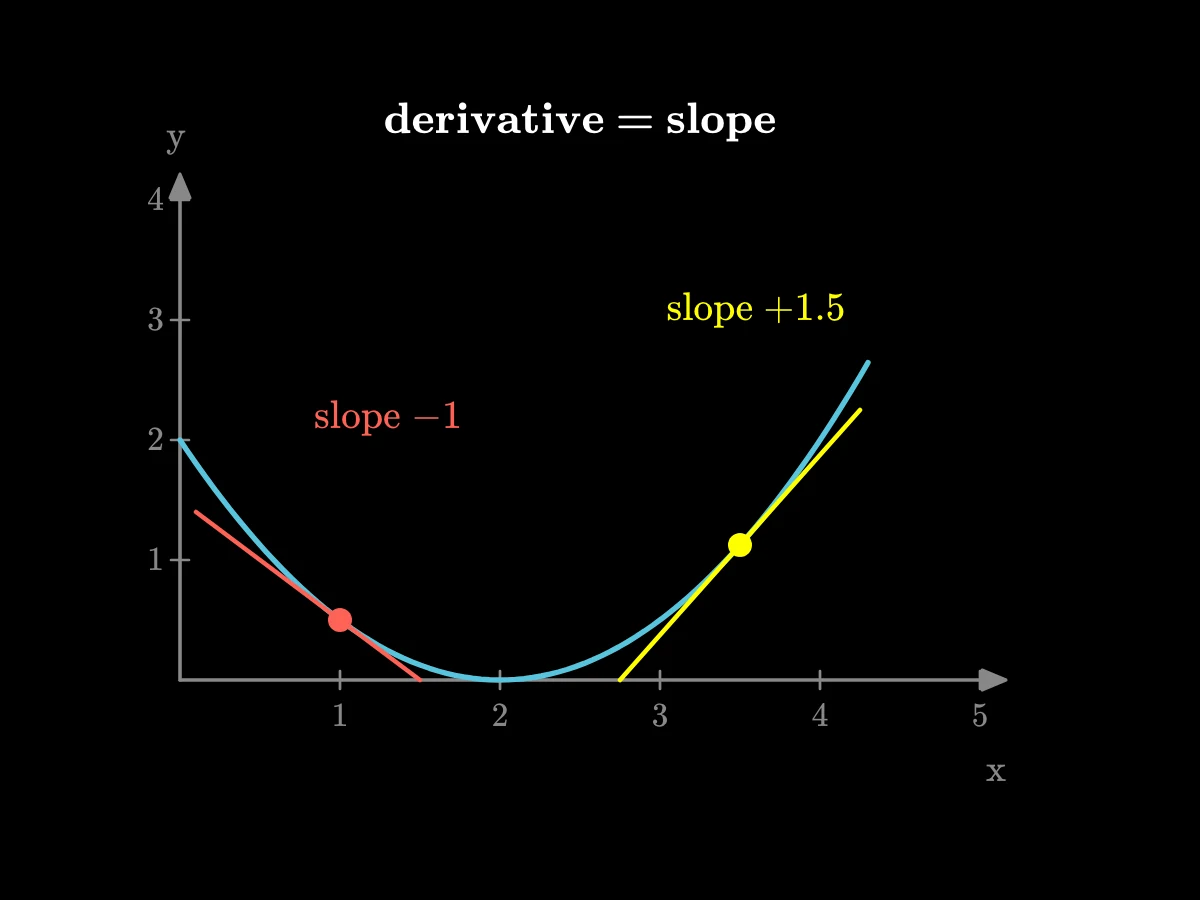
Draw a smooth curve that dips down and then climbs again, like a shallow valley, and choose a point on its slope. Lay a ruler so that it just touches the curve at that point without cutting through it.
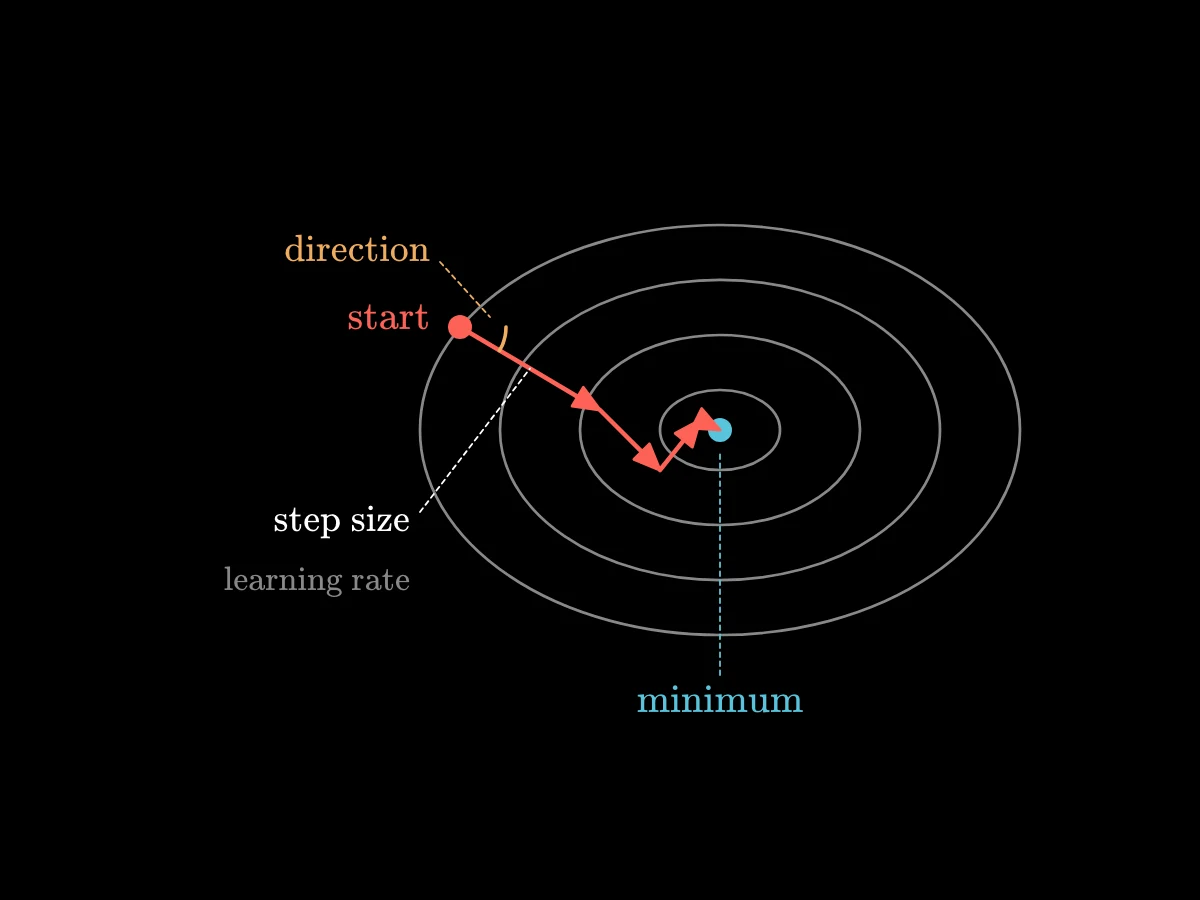
Now the main event: finding the lowest point of a function, its minimum. The book assumes the function gives a single number and that the input may wander anywhere.
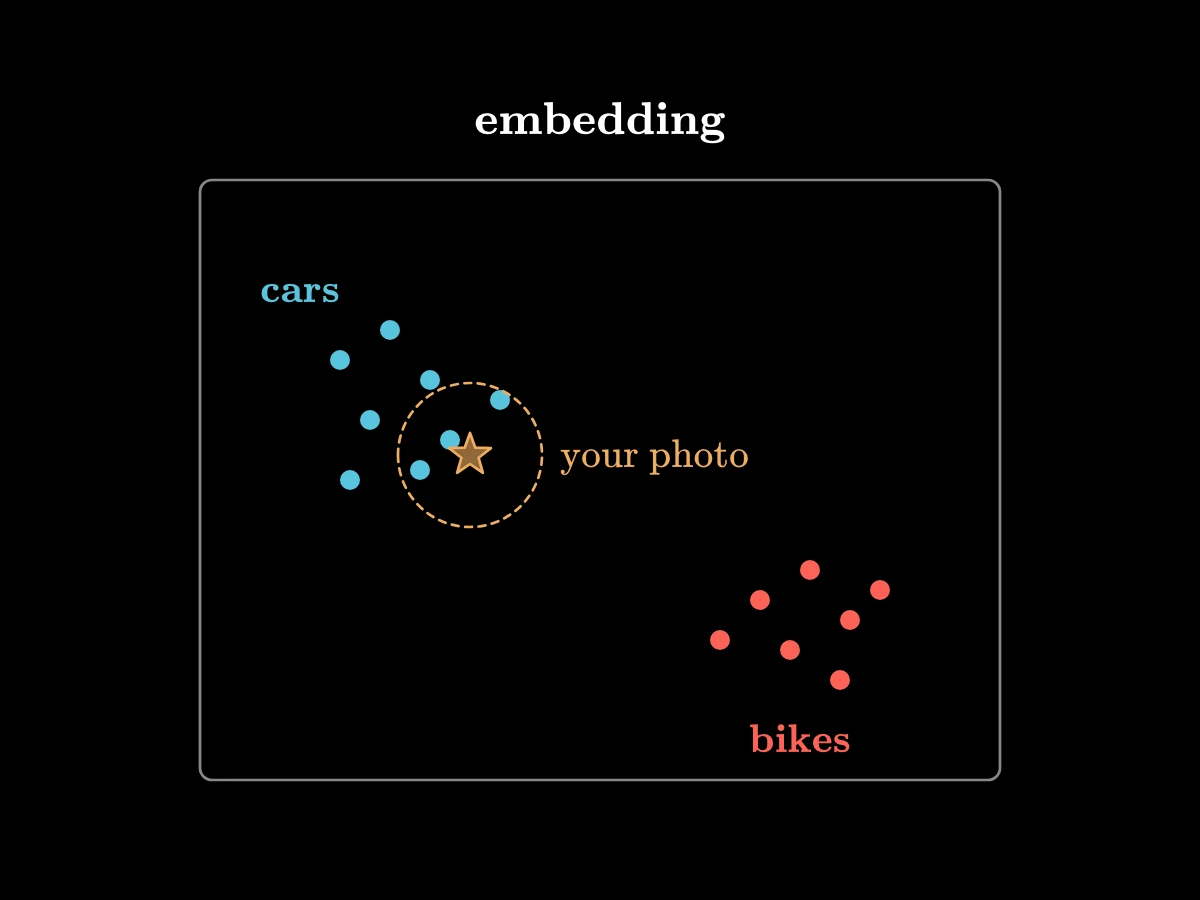
The chapter's figure adds a picture worth keeping. A trained model transforms its input step by step, and the inner versions of the data it produces often have a meaningful geometry: images with similar meaning land at nearby points in an inner space.
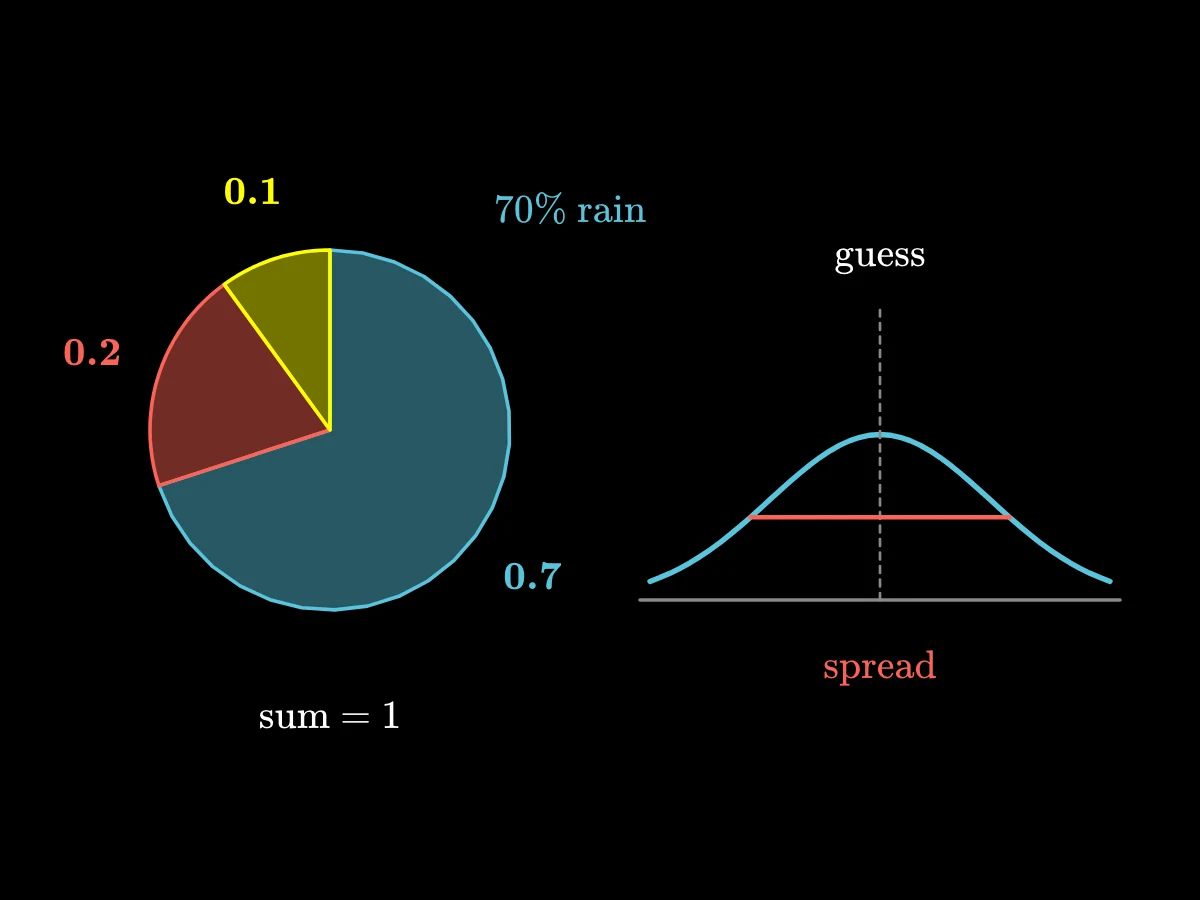
Predicting one single answer makes sense when, for each input, almost all of the probability sits on one value. The book relaxes that: instead of one answer, the model's outputs set the knobs of a whole probability distribution over the possible answers.
Examples for: a curious adult with school maths who uses AI apps every day; add one modern instance per idea, such as how a chat assistant or a phone's photo app is trained
The lectures retell the English text of arXiv 2404.17625 (version 3, 2025) by Simone Scardapane, published under an open licence that allows retelling and translation. The retelling, the drawings and the voice are made by AI and checked against the book by a second model. How AI is used.
The lectures adapt the original and are released under the same licence, free to share and adapt with credit to the author and a link to this page: CC BY-SA 4.0
Upload a textbook or any difficult book. The first five minutes are free.
Upload a book