One law for chips and batteries
Physics behind the map
Physics describes how electricity moves through its circuits, and engineers use that knowledge to choose the materials and lay out the circuits when they build one.
College Physics 2e
The same text, told at every level, in every language and look shown here. Pick, then listen or download.
The same player the product gives for your own book: the voice, the drawings as they are drawn, the text.
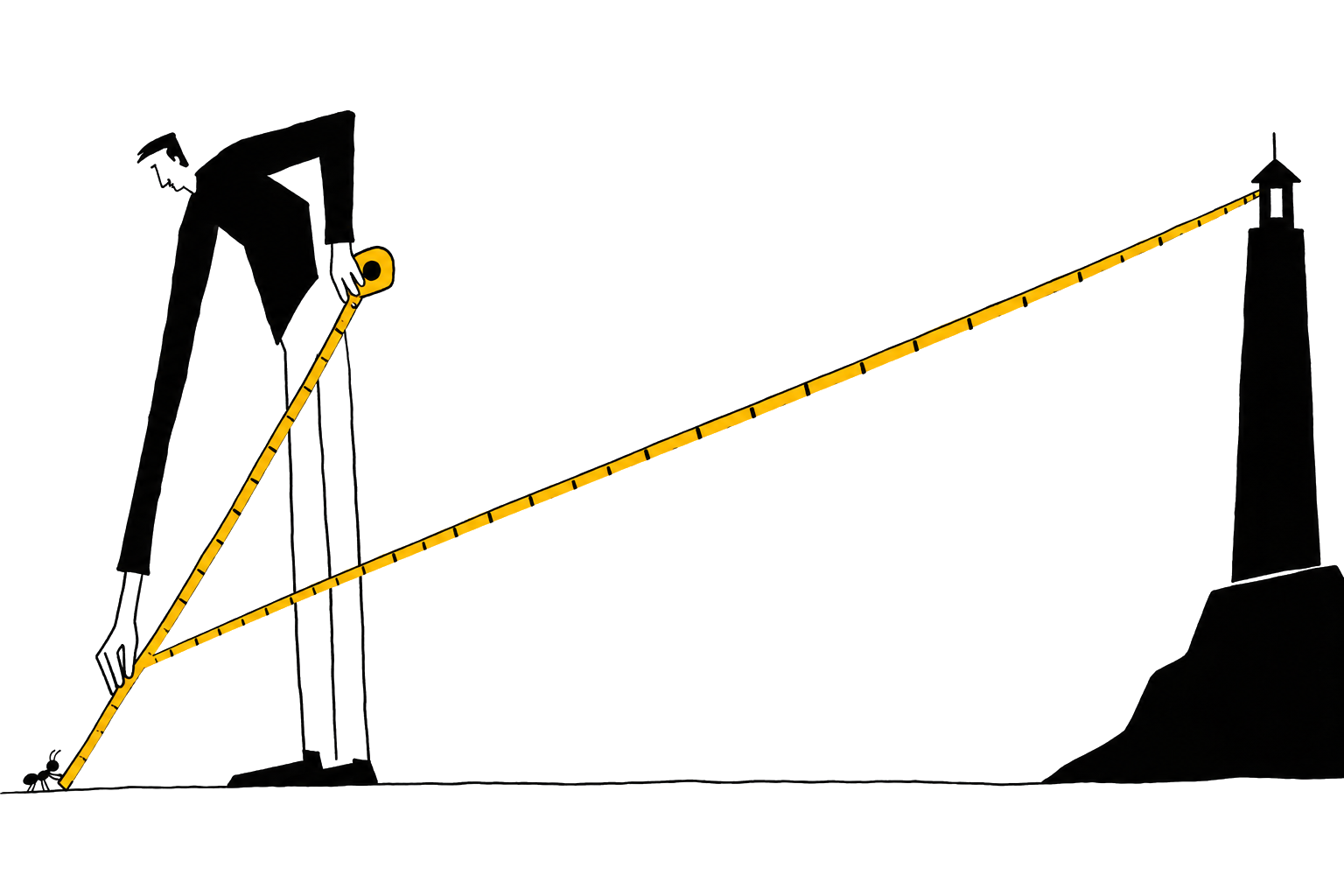
The free textbook used by millions of first-year physics students. Its first chapter is about how physics measures the world: units, powers of ten, converting one unit into another, accuracy, significant figures and quick estimates.
This is a sample: 1 of 34 chapters.
Physics describes how electricity moves through its circuits, and engineers use that knowledge to choose the materials and lay out the circuits when they build one.
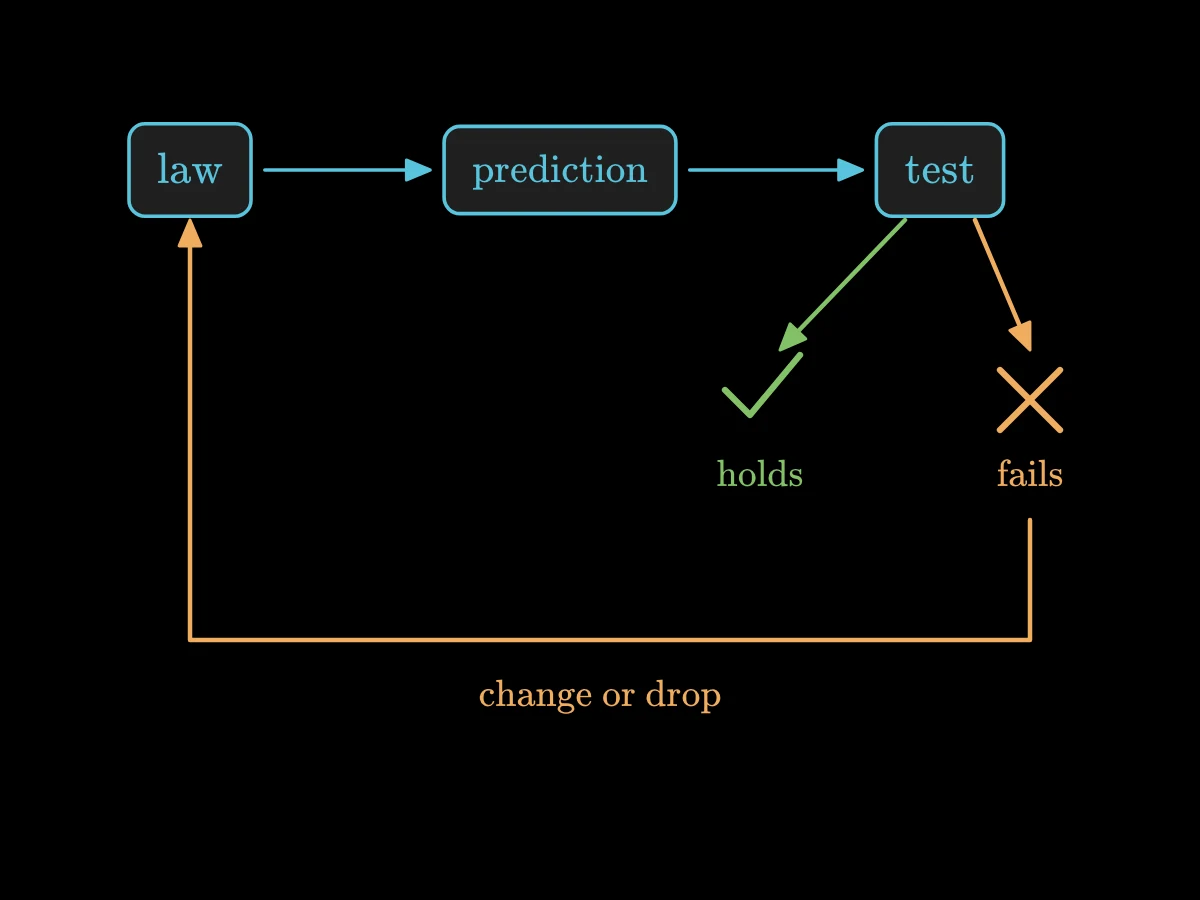
Laws and theories are not just tidy summaries of old facts. Often, once one is in place, it points scientists to something nobody had found yet, sometimes even an object or event that had never been seen.
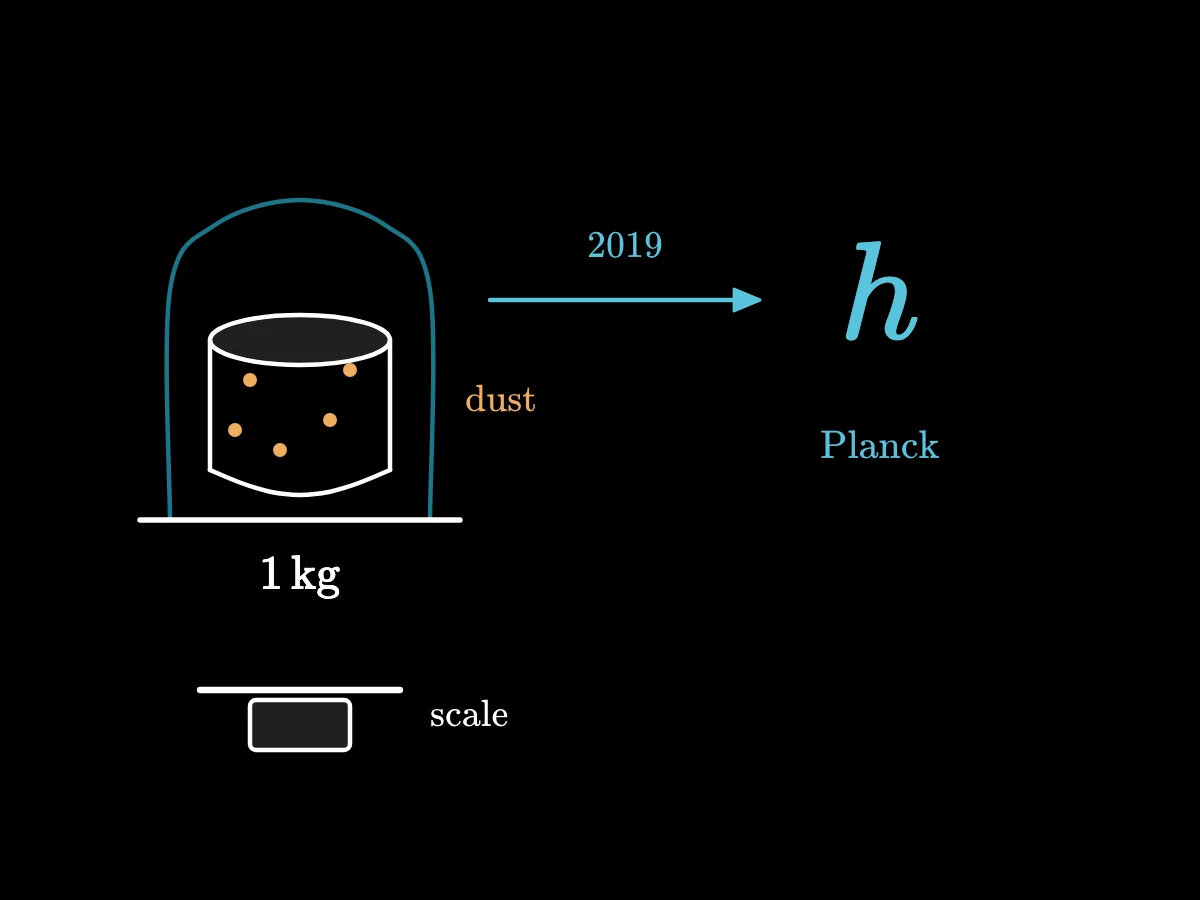
The kilogram followed a similar road, only later. For more than a century it was a small cylinder of platinum and iridium, kept with the old meter bar at the international bureau of weights and measures near Paris.
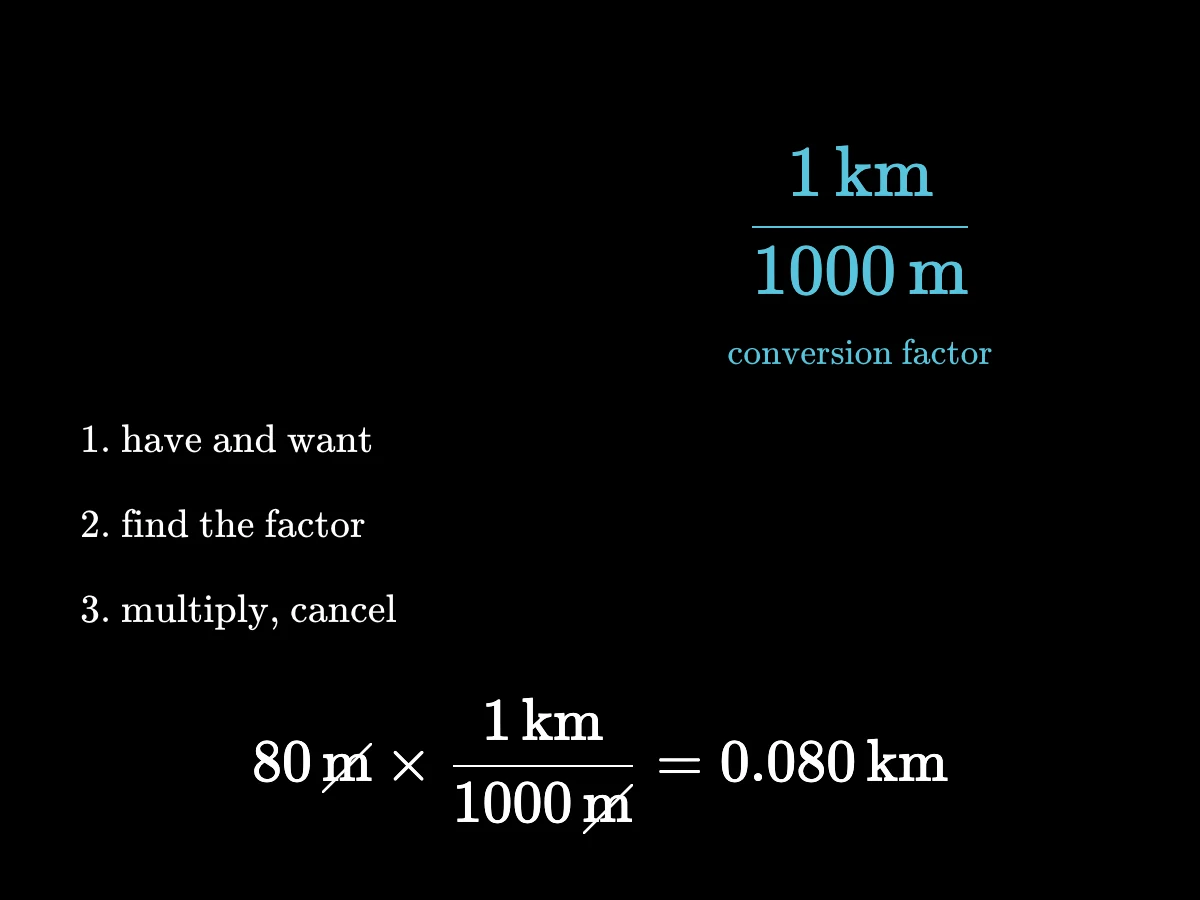
With so many sizes and so many units in use, we keep needing to change from one unit to another. A European recipe asks for milk in liters and your measuring jug shows cups; walking directions give a distance in feet and you want to know how many miles that is.
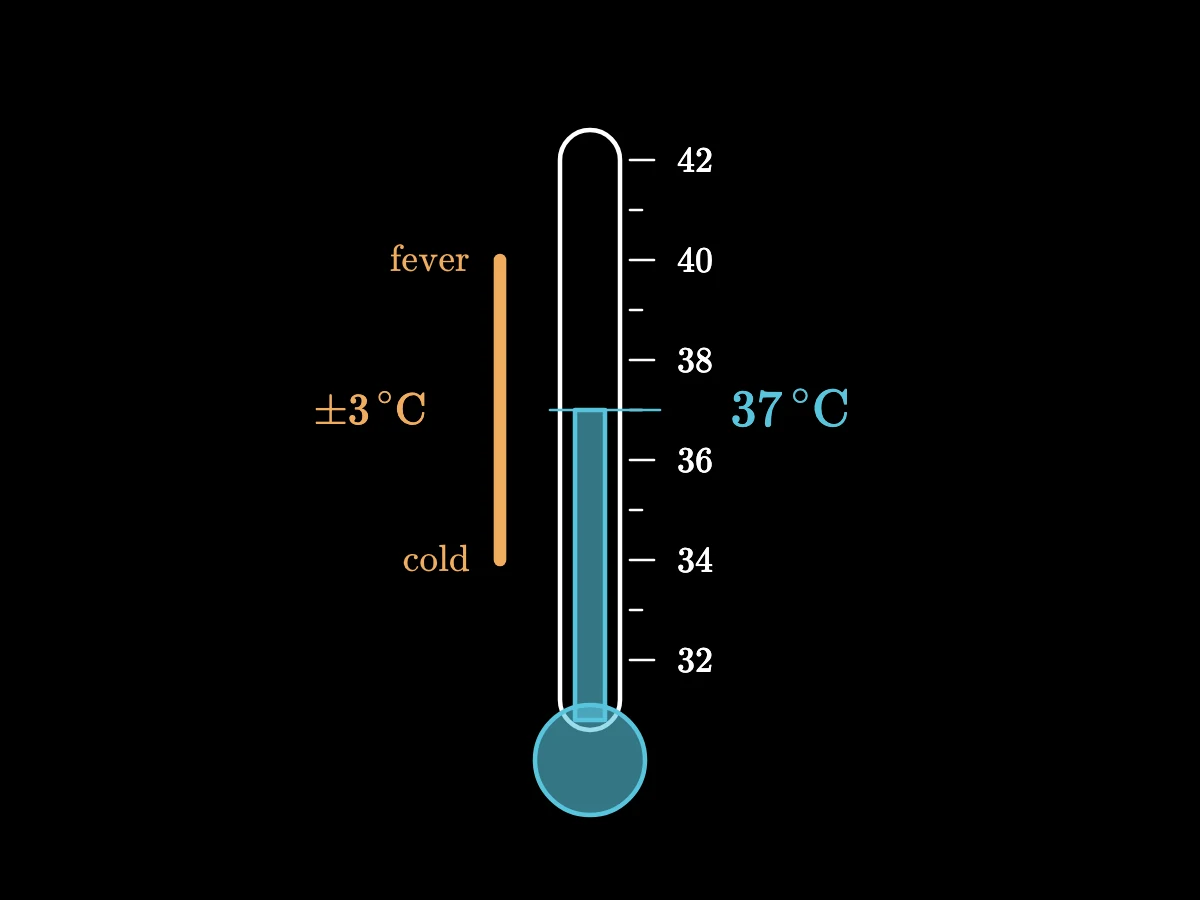
Why does this matter so much? The book's answer is a sick child. You suspect a fever and reach for a thermometer, but imagine that it could be off by three degrees Celsius either way.
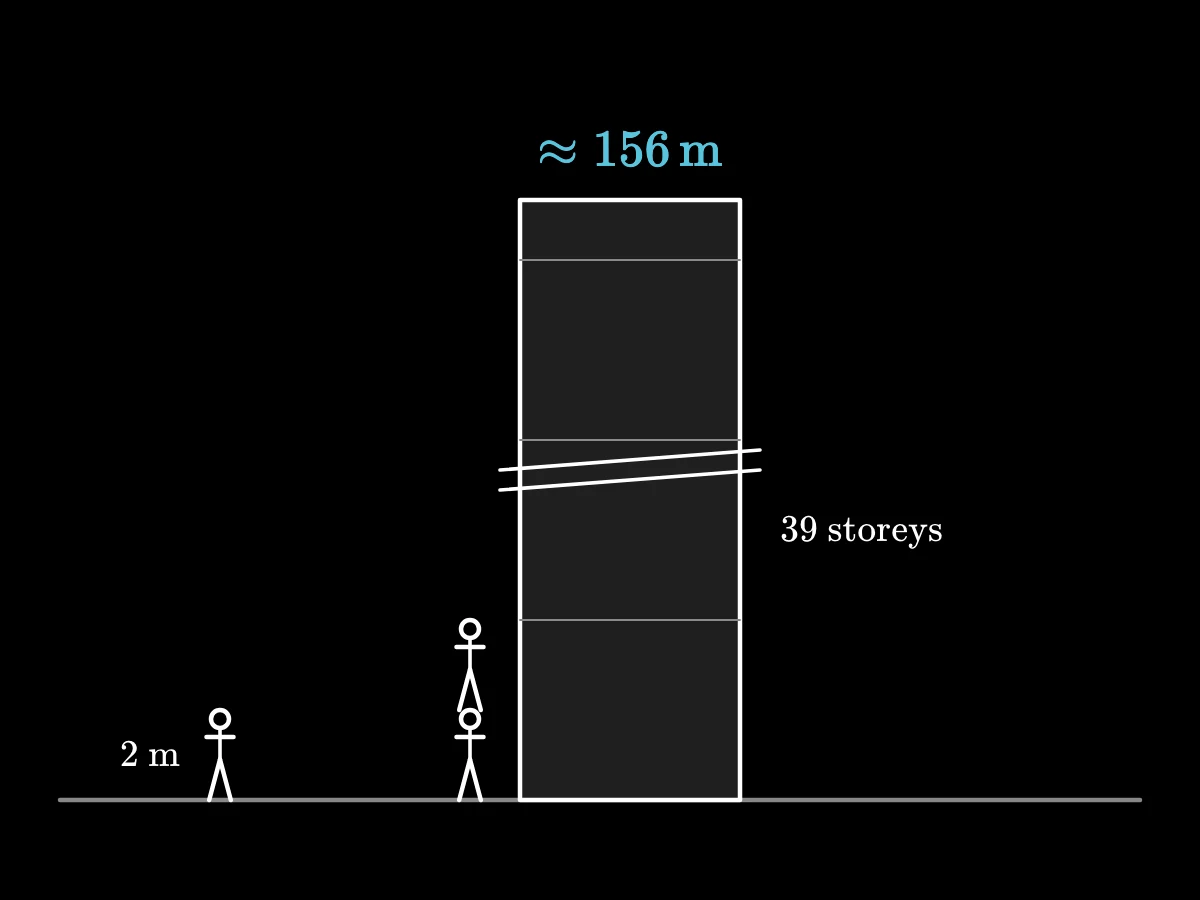
Now the book turns the whole question around. Very often, scientists and engineers do not need many digits at all. They need a quick, sensible estimate, which the book cheerfully calls a guesstimate.
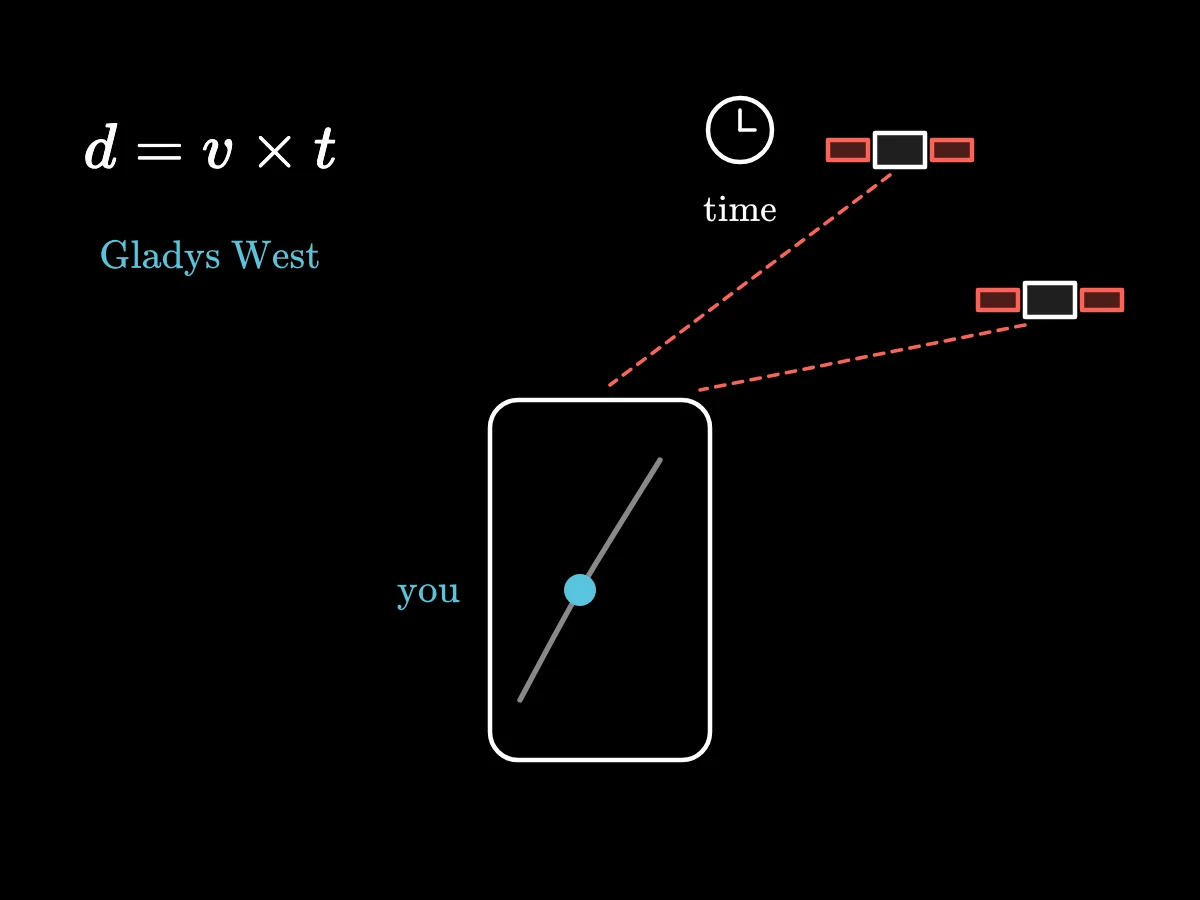
Examples for: a curious adult with school maths; add one modern instance per idea, such as a phone, a GPS, a kitchen scale, a car speedometer or a medicine dose
The lectures retell the English text of OpenStax College Physics 2e, CC BY 4.0 edition (GitHub openstax/osbooks-college-physics-bundle at f98d7a792138) by Paul Peter Urone, Roger Hinrichs (OpenStax), published under an open licence that allows retelling and translation. The retelling, the drawings and the voice are made by AI and checked against the book by a second model. How AI is used.
The lectures adapt the original and are released under the same licence, free to share and adapt with credit to the author and a link to this page: CC BY 4.0
Upload a textbook or any difficult book. The first five minutes are free.
Upload a book