What the machine learns from
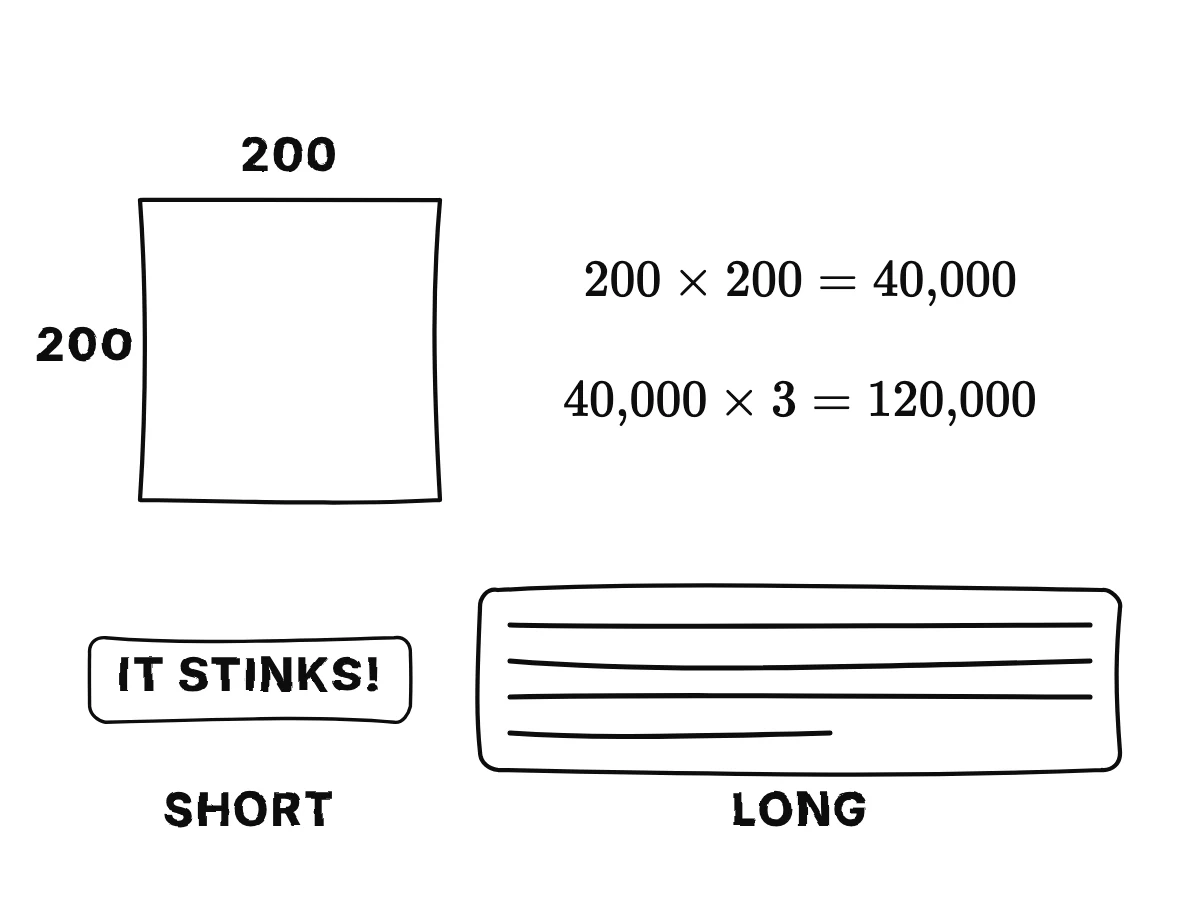
200 × 200 × 3 = 120,000
The book counts what a photo becomes. A colour picture two hundred pixels wide and two hundred pixels high has two hundred times two hundred pixels, which is forty thousand.
Dive into Deep Learning
The same text, told at every level, in every language and look shown here. Pick, then listen or download.
The same player the product gives for your own book: the voice, the drawings as they are drawn, the text.
The open textbook used in hundreds of university courses on neural networks. Its first chapter explains what it means for a program to learn from data: models, losses, optimisation, the kinds of learning problems, and how deep learning came to win.
This is a sample: 1 of 23 chapters.
The book counts what a photo becomes. A colour picture two hundred pixels wide and two hundred pixels high has two hundred times two hundred pixels, which is forty thousand.
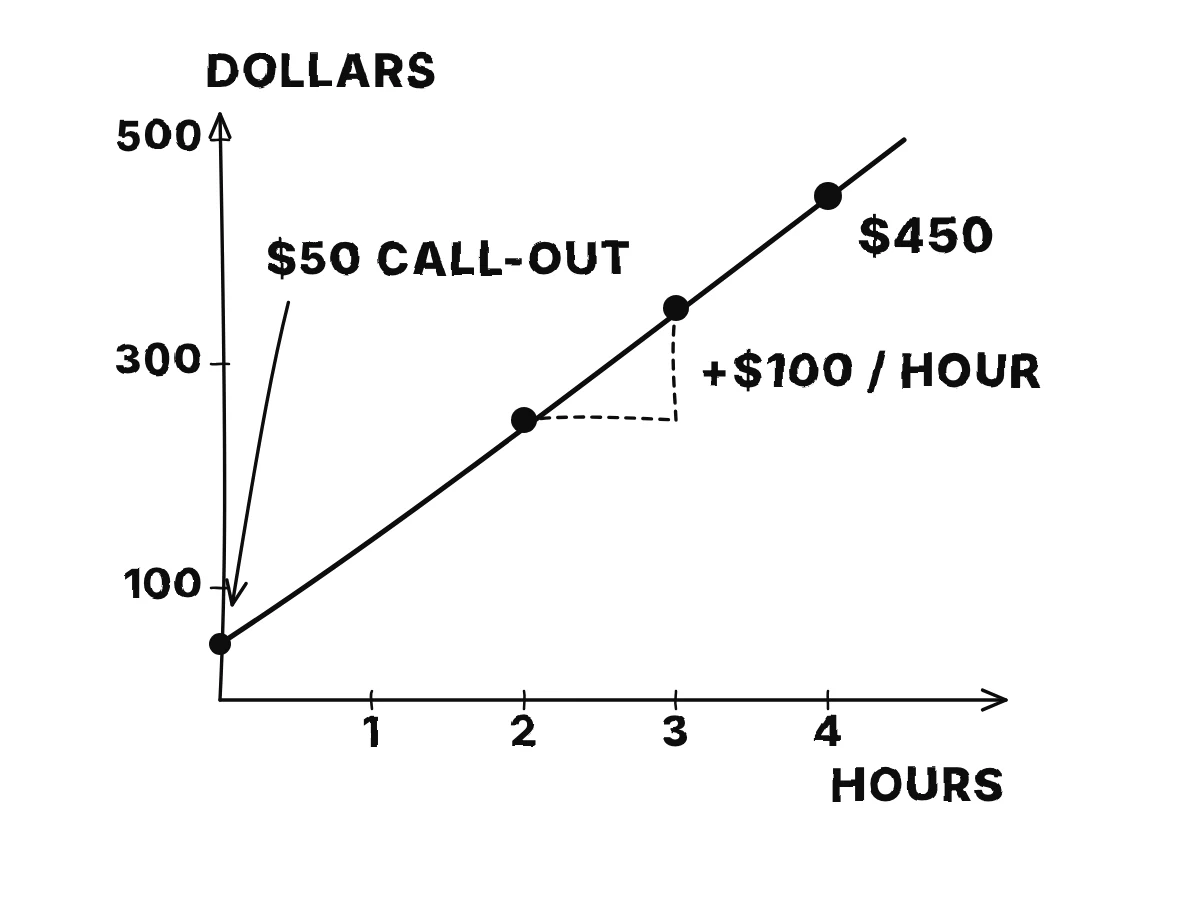
Back to the plumber. You probably assumed two things: more hours cost more, and the bill is a fixed charge for turning up plus so much for each hour. The two bills differ by one hour and by one hundred dollars, so each hour costs one hundred dollars.
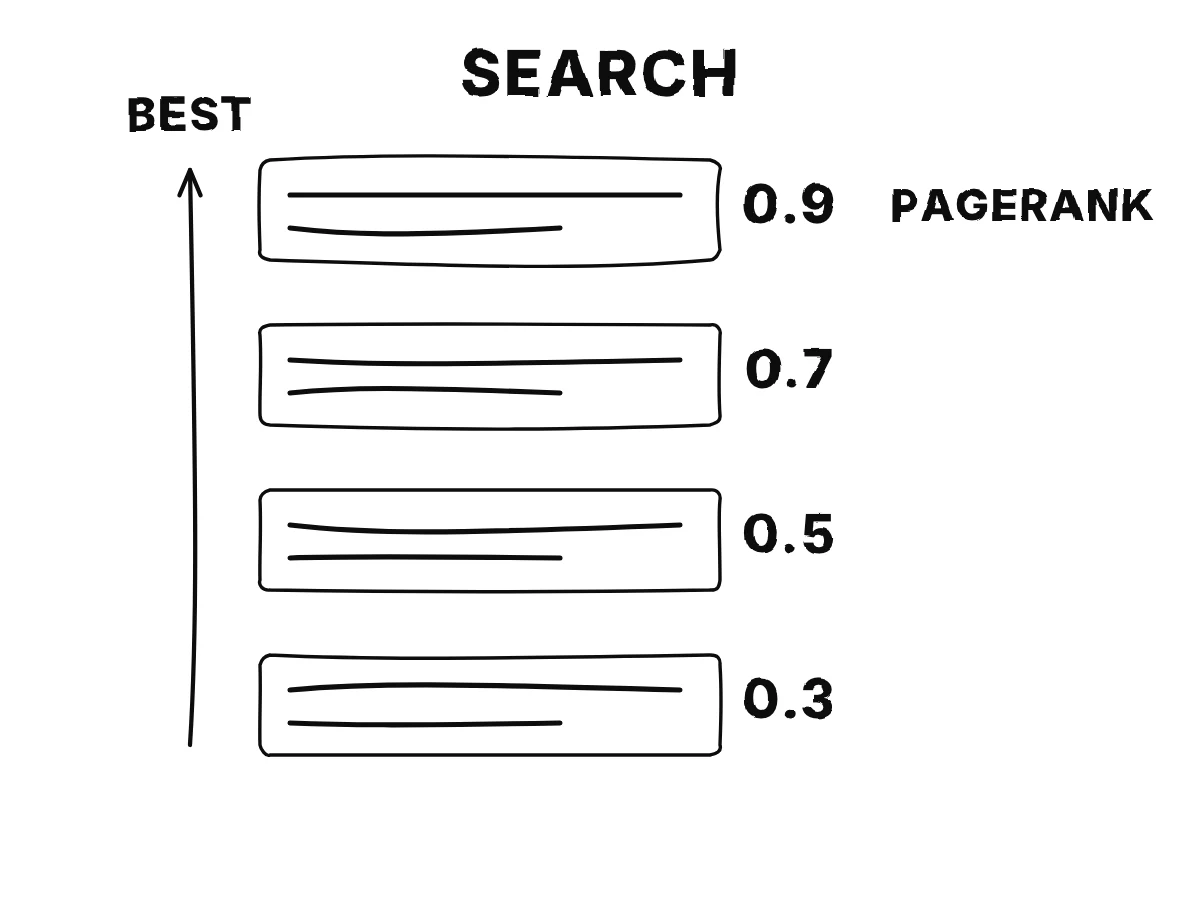
Search turns the question round again. For a web search, there are usually many relevant pages; the real question is which of them to show first. One way is to give every page a score and return the highest-scoring ones.
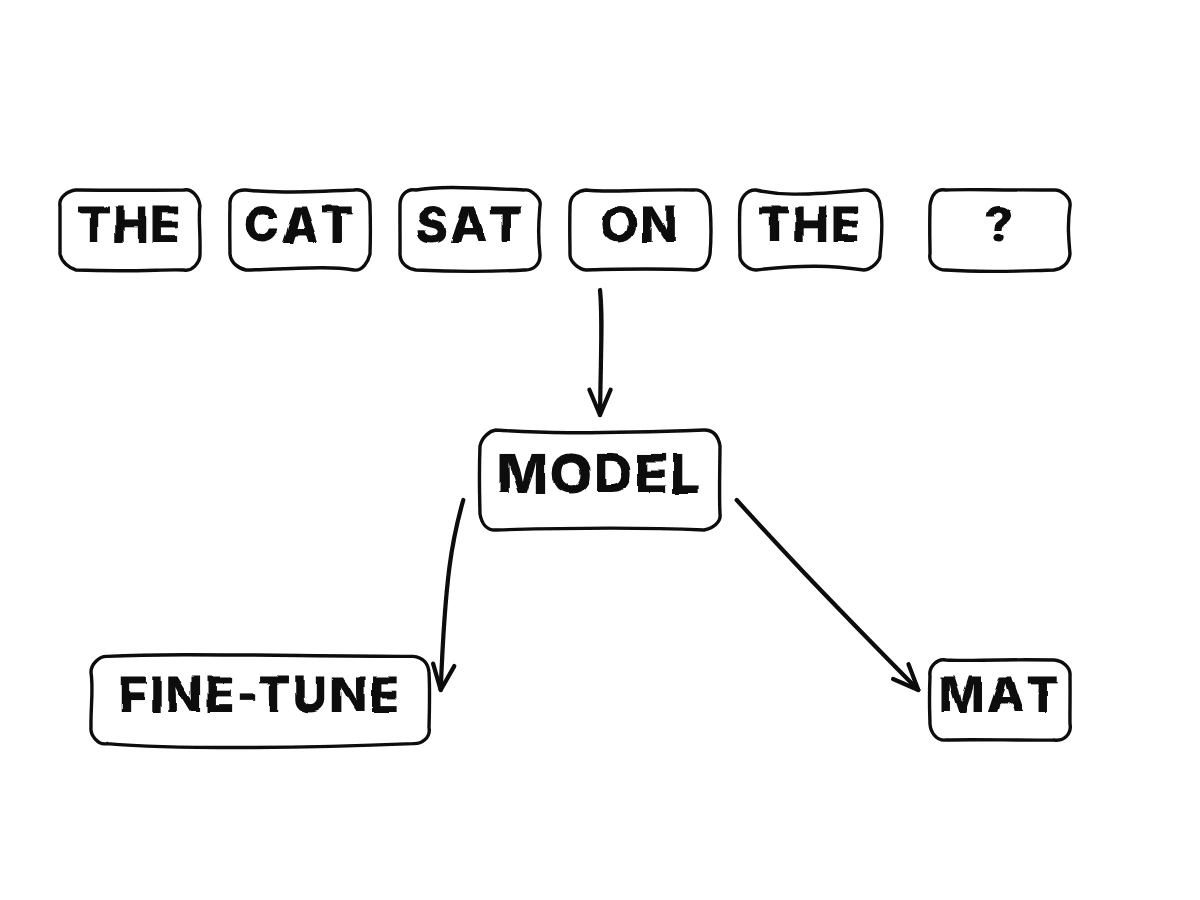
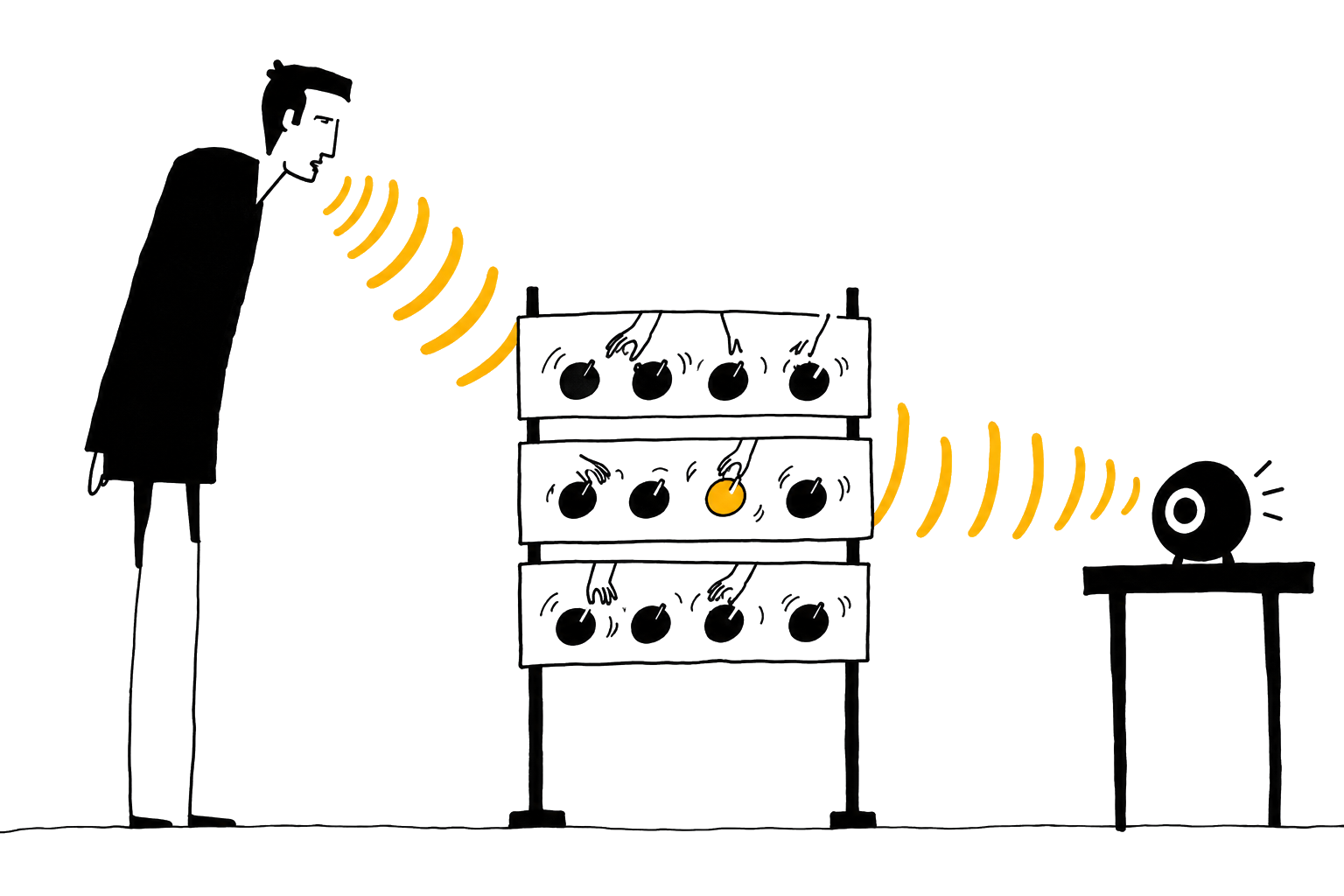
Last comes self-supervised learning, which uses the unlabelled data itself to make questions with known answers. For text, hide a word at random and train the model to guess it from the words around it.
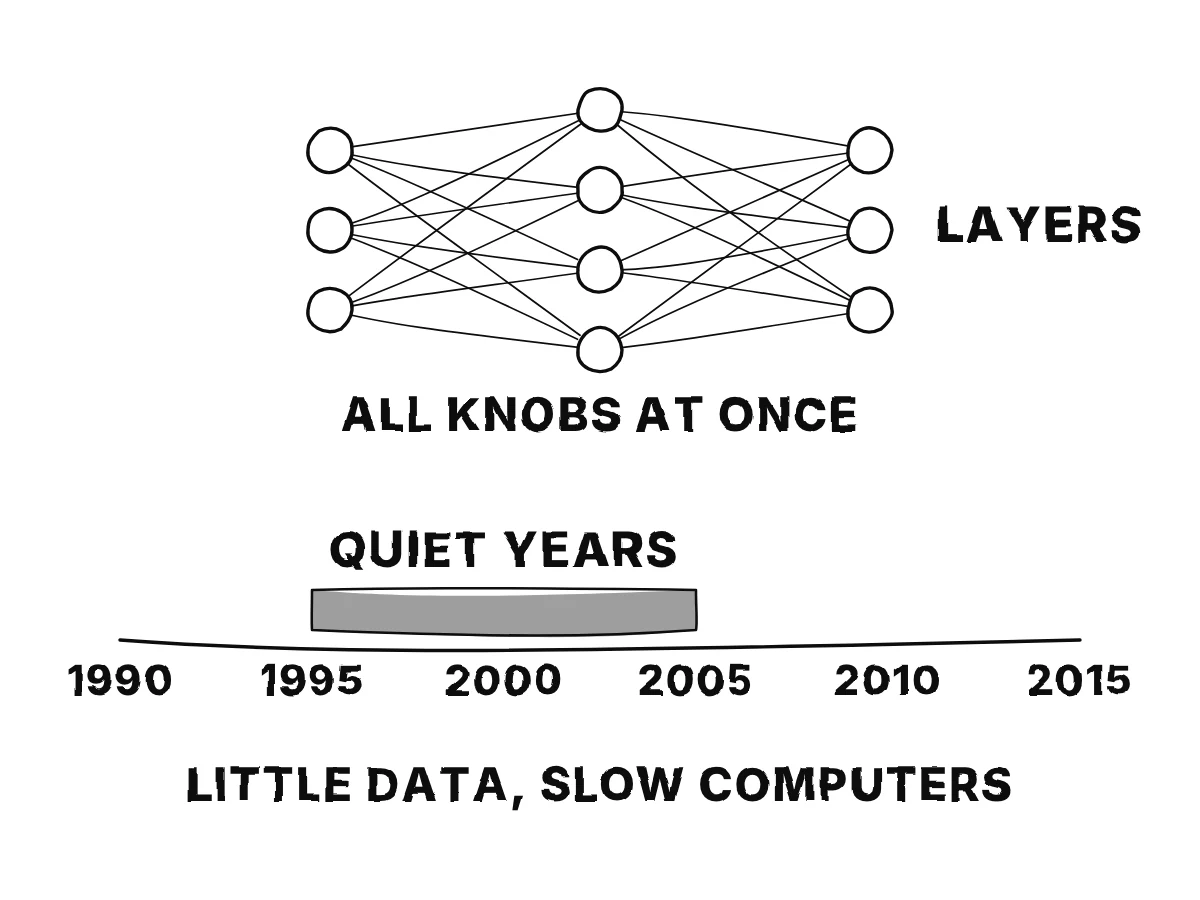
After early rapid progress, neural network research languished from about 1995 to 2005, for two reasons. Training a network takes a great deal of computing, and while memory was plentiful by the end of the century, computing power was scarce.
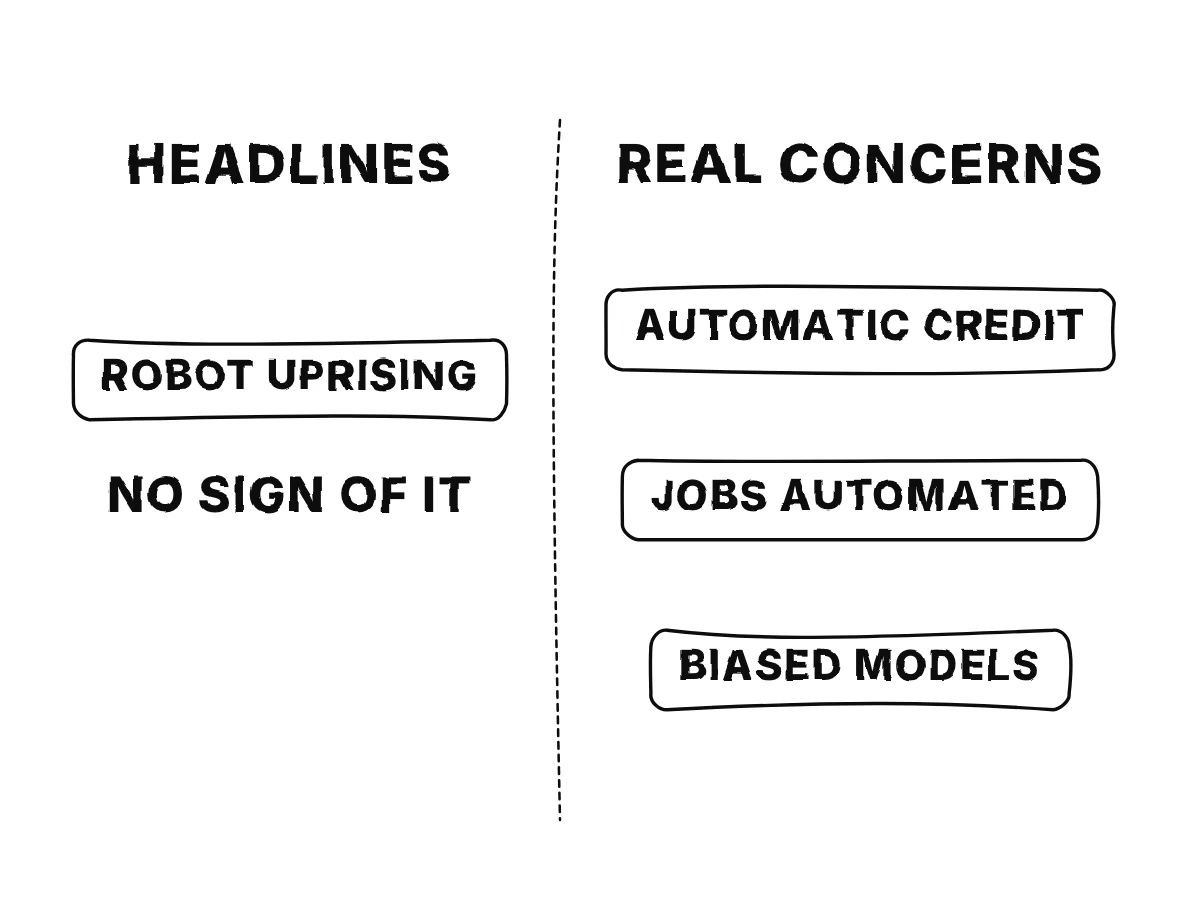
Popular articles often raise fears of an artificial intelligence apocalypse, the so-called singularity, in which machines become conscious and decide our fate without their programmers.
Examples for: a curious adult with school maths who uses ChatGPT and phone apps; add one modern instance per idea, such as a chatbot, a spam filter, a recommendation feed or a voice assistant
The lectures retell the English text of d2l.ai (Cambridge University Press, 2023), GitHub d2l-ai/d2l-en by Aston Zhang, Zachary C. Lipton, Mu Li, Alexander J. Smola, published under an open licence that allows retelling and translation. The retelling, the drawings and the voice are made by AI and checked against the book by a second model. How AI is used.
The lectures adapt the original and are released under the same licence, free to share and adapt with credit to the author and a link to this page: CC BY-SA 4.0
Upload a textbook or any difficult book. The first five minutes are free.
Upload a book